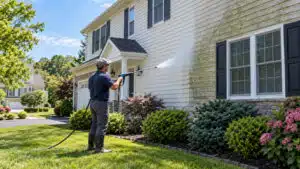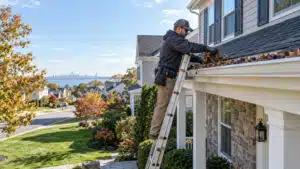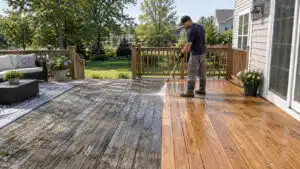
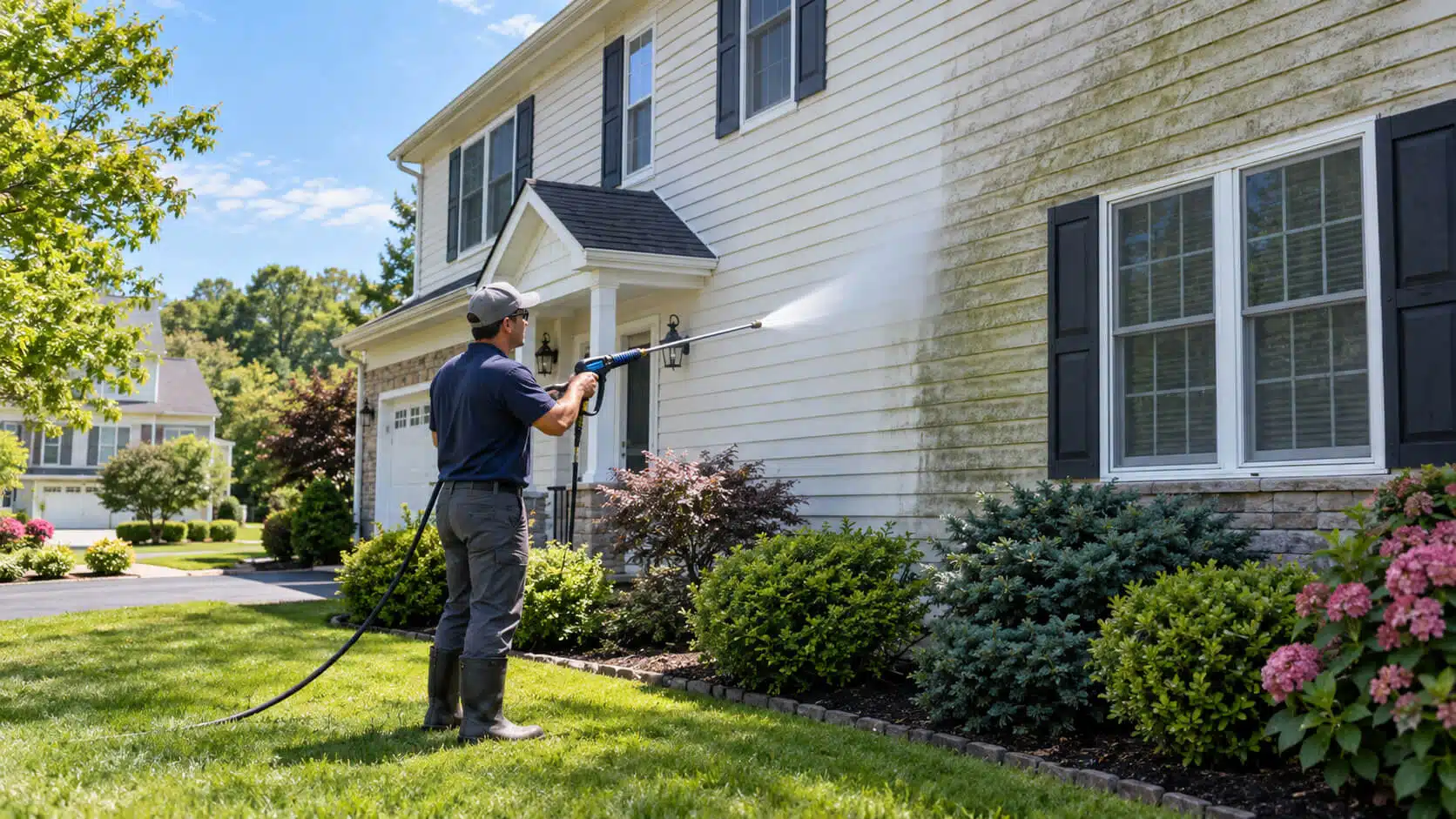
Your home’s exterior takes a beating from New Jersey weather, slowly collecting dirt, mold, algae and grime that dull its appearance and damage the surface. House power washing is the fastest, most effective way to reverse that buildup and protect your siding. Done properly, it restores your home’s clean, bright look and helps prevent costly repairs down the road. Here’s what house power washing actually involves, the clear signs your home needs it, and how to make sure it’s done safely.
Table of Contents
The short version
House power washing removes the mold, algae and grime that build up on siding in New Jersey’s humid climate. On home exteriors it’s done with a gentle soft wash — low pressure plus a cleaning solution — not full high pressure, which can crack siding. Most NJ homes need it once a year.
What Is House Power Washing?
House power washing is the process of cleaning your home’s exterior — mainly the siding — to strip away dirt, mold, algae, mildew and grime. But there’s an important nuance: the walls of a house usually shouldn’t be blasted with full high pressure, which can crack siding and force water underneath it.
Instead, professional house power washing typically uses a controlled, gentler soft wash approach: lower pressure combined with cleaning solutions that break down buildup at the source. This gets siding genuinely clean while protecting the material, which is why method matters as much as power.
Power Washing Terms, Explained
- Soft wash
- A low-pressure cleaning method that relies on specialized solutions to dissolve mold, algae and grime — the safe way to clean siding.
- High pressure
- A strong, forceful water jet suited to hard surfaces like concrete driveways, but risky on siding, where it can crack panels and drive water inside.
- Algae vs mildew
- Algae shows as green or black streaks on shaded walls; mildew appears as darker patches in damp, low-airflow areas. Both feed on organic buildup.
- Siding
- The outer wall material of your home (vinyl, wood, fiber cement). Its type determines the pressure and solution a professional will use.
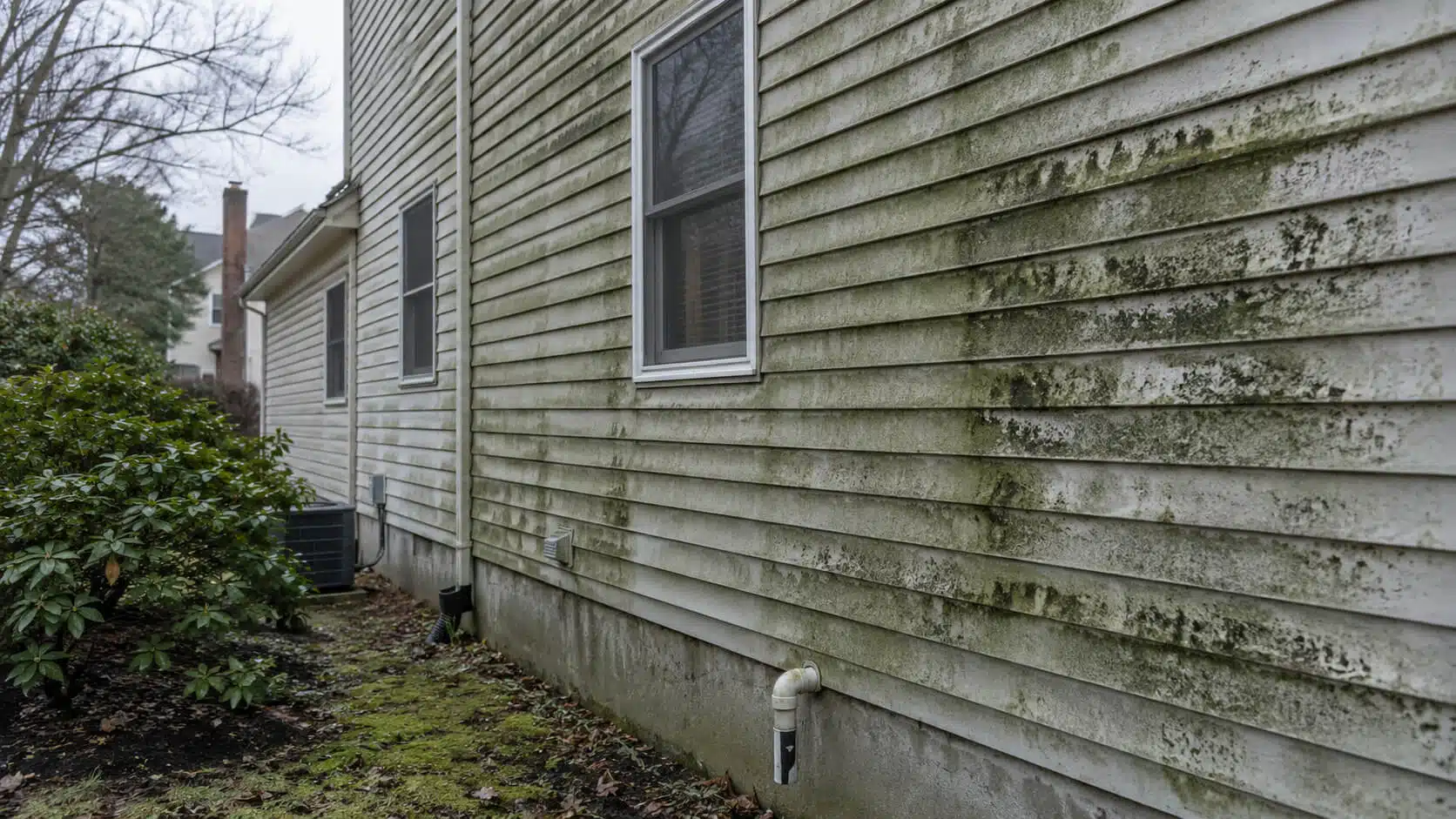
Signs Your House Needs Power Washing
Your home usually tells you when it’s time. Watch for these clear signs that house power washing is overdue.
Green or black streaks
Algae and mold staining, especially on shaded, north-facing walls.
Dull, faded siding
A grimy film that makes the whole house look tired and aged.
Dark spots or mildew
Patches of mildew near the ground or in damp, shaded areas.
Cobwebs & dirt buildup
Accumulation around eaves, corners and window frames.
Preparing to sell or paint
A clean exterior is essential before listing or repainting a home.
Why House Power Washing Matters
Power washing your house is about far more than curb appeal. In New Jersey’s humid climate, the buildup you leave in place actively damages your home — and skipping it gets expensive fast.
| If buildup is left alone | What happens | The result |
|---|---|---|
| Algae & mold spread | Growth digs into the siding surface | Permanent stains & early decay |
| Moisture gets trapped | Grime holds dampness against the walls | Hidden rot behind the siding |
| Exterior looks neglected | Dull, streaked walls lower first impressions | Reduced resale value |
| Small problems grow | Buildup becomes ingrained over time | Costly repairs or siding replacement |
For the full picture of what regular cleaning protects, see our guide to the benefits of power washing for your home.
How Often Should You Power Wash Your House?
For most New Jersey homes, power washing the house once a year keeps buildup under control. Homes surrounded by trees, sitting in shade, or in especially humid areas often benefit from cleaning more often, since those conditions let mold and algae grow back faster. For the full schedule by home type and season, see our guide on how often to power wash your house.
Not sure whether your home is due? A professional power washing service uses the right method for your siding type — and you can request a free estimate anytime with no obligation.
Soft Wash vs High Pressure on Your Home
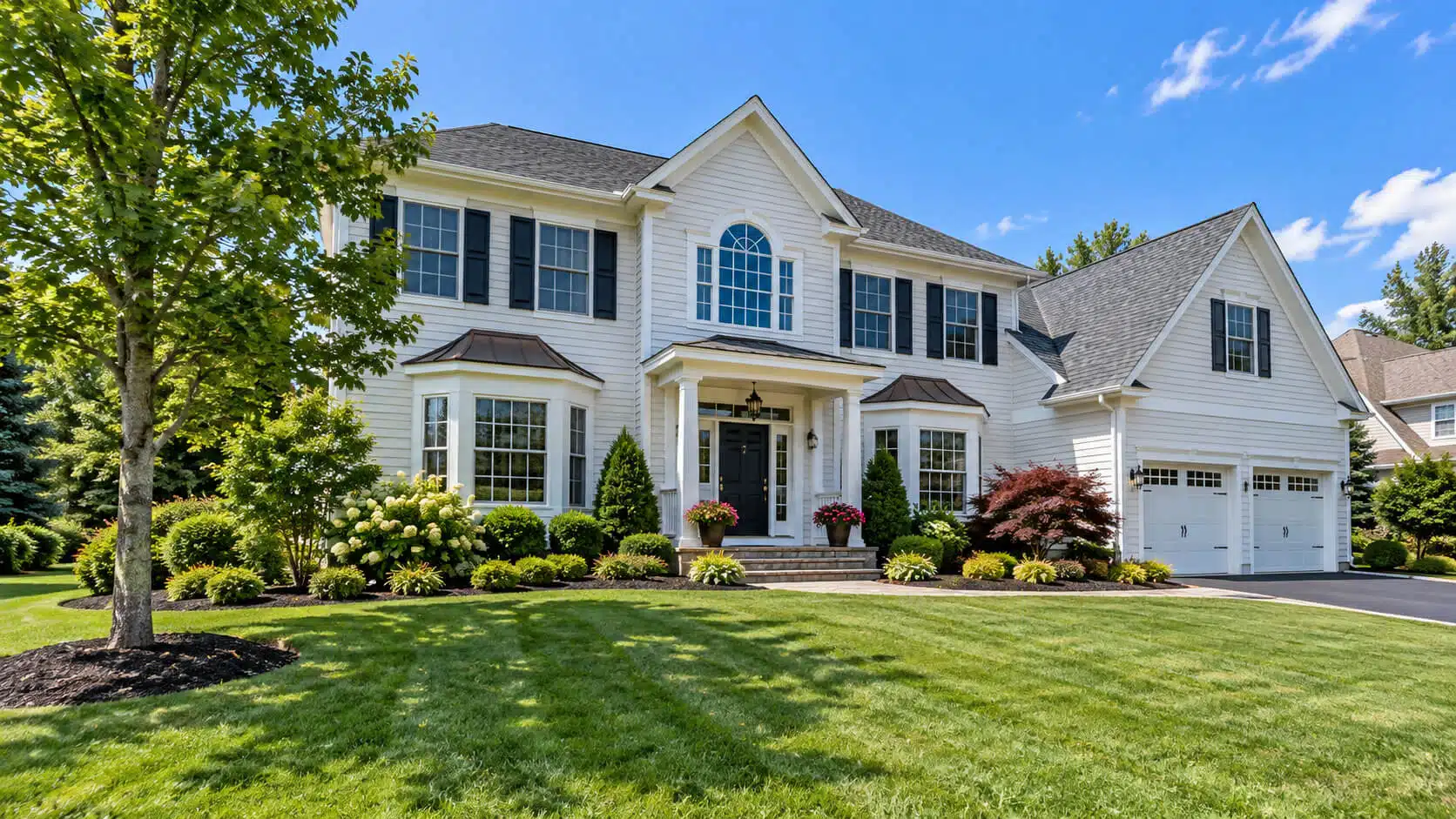
The most important thing to understand about house power washing is that your siding rarely needs full high pressure. Blasting siding with too much force can crack panels, strip paint and drive water behind the walls, where it causes hidden rot and mold.
That’s why professionals use a soft wash approach on homes — low pressure plus cleaning solutions. Hard surfaces like driveways can handle strong pressure, but your home’s walls need the gentle method. For the full method-by-method breakdown, see our guide to soft washing vs pressure washing. According to the Centers for Disease Control and Prevention, removing mold from building surfaces promptly also helps protect indoor and outdoor air quality.
DIY vs Professional House Power Washing
You can rent a pressure washer and clean your house yourself, but it’s riskier than it looks. Here’s how the two approaches really compare.
DIY Power Washing
- Too much pressure is the fastest way to damage siding.
- Reaching upper floors means working on ladders.
- Wrong solution leaves streaks or misses the mold.
- A single mistake can cost more than hiring a pro.
Professional Service
- Correct soft wash equipment and pressure for your siding.
- The right cleaning solution for your siding material.
- Safe access to high, hard-to-reach areas.
- A thorough, even result with no risk to you.
Keep Your Home Clean and Protected
House power washing is one of the simplest, most effective ways to protect your home’s appearance and value. By removing mold, algae and grime on a regular schedule — using the gentle method your siding actually needs — you keep your exterior looking its best and avoid expensive damage. And if you’re weighing the investment, our power washing cost guide for NJ breaks down what to expect.
Whether you clean it yourself or bring in a professional, the key is not letting buildup take hold. A well-maintained home exterior is always easier and cheaper to keep clean than one left to weather and grime for years.
Related Power Washing Guides
Go deeper on the topics that matter most for your home.
Frequently Asked Questions
What is house power washing?
House power washing is cleaning your home’s exterior siding to remove dirt, mold, algae and grime. It’s usually done with a gentle soft wash method rather than full high pressure.
How often should I power wash my house in NJ?
Most New Jersey homes benefit from house power washing once a year. Homes in shade, near trees, or in humid areas may need it more often to control mold and algae.
Can power washing damage my siding?
Yes, if too much pressure is used. That’s why professionals use a gentle soft wash approach on siding rather than blasting it with high pressure.
What are the signs my house needs power washing?
Green or black streaks, dull faded siding, dark mildew patches, and heavy dirt buildup around eaves and windows are all signs it’s time.
Should I power wash my house myself or hire a pro?
DIY is possible but risky, especially on upper floors and with pressure settings. A professional uses the right method and cleans safely and thoroughly.
Get a Free House Power Washing Estimate in NJ
Is your home’s siding dull, streaked or spotted with mold? Bring it back to life the safe way. At Brothers Cleaners, we provide professional house power washing for homes across New Jersey — using the gentle soft wash method your siding needs. Contact us today for a free, no-obligation estimate and keep your home clean, bright and protected.